Got an old, cracked, or uneven asphalt driveway that's seen better days? You might be wondering about asphalt milling. It's a common term in our line of work, but for a homeowner, it can sound a bit technical. Don't worry, I'm here to break it down for you, plain and simple.
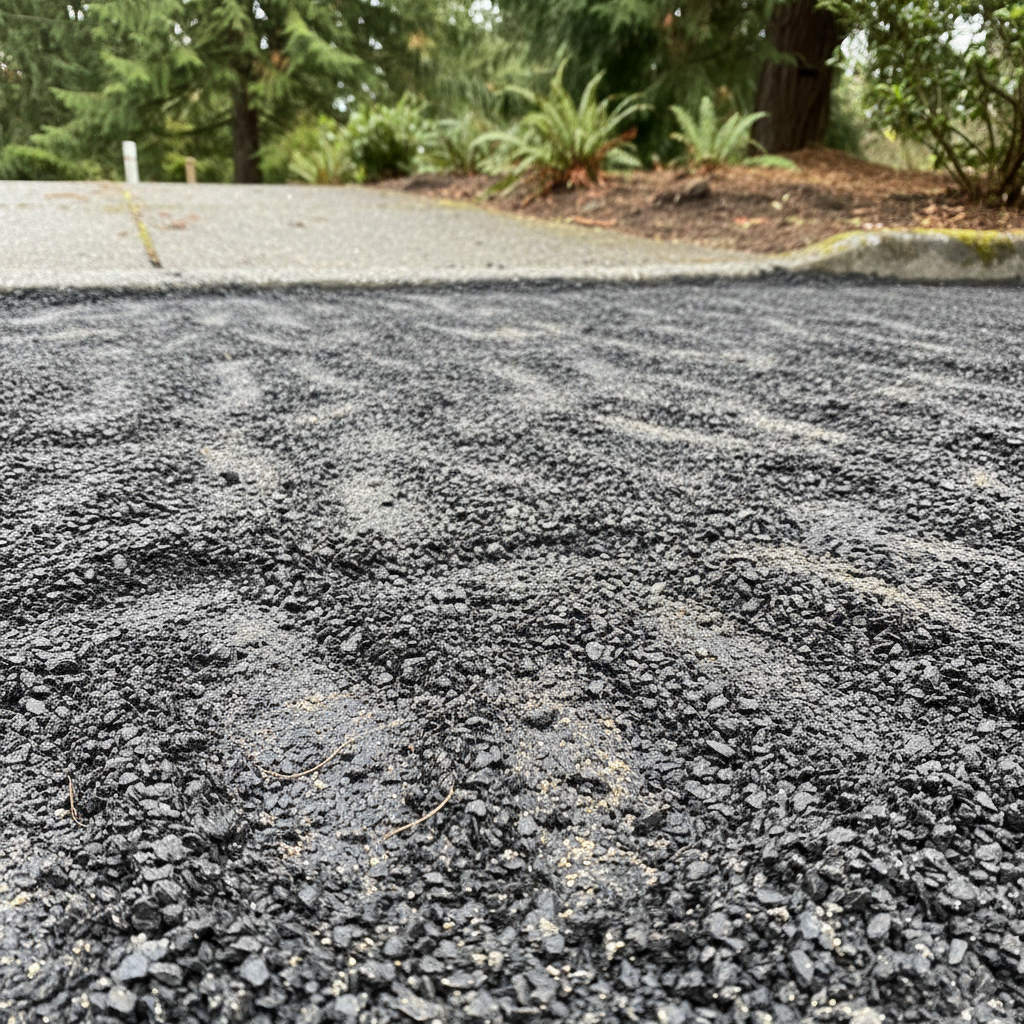
Milling, at its core, is just grinding off the top layer of your existing asphalt. Think of it like planing wood, but for your driveway. We use specialized equipment to shave off a precise amount of the old surface, leaving a fresh, textured base. This isn't about tearing out your whole driveway and starting from scratch. It's about rejuvenating what you've got.
Why Consider Asphalt Milling?
There are a few good reasons why milling might be the right call for your property here in Bellevue.
- It's cost-effective: Tearing out an entire driveway is a huge job, and it's expensive. Milling saves you money because you're reusing the existing base. You're not paying for full demolition, hauling away tons of debris, and then laying a completely new thick base.
- It fixes problems without adding height: If your driveway is starting to get too high – maybe it's been repaved a few times and now it's higher than your garage floor or the sidewalk – milling solves that. We can remove a few inches, bring the grade back down, and then put a fresh layer on top. This is especially useful in areas like West Bellevue where older homes might have driveways that have been layered over the years.
- It creates a great bonding surface: That textured surface left after milling? It's perfect for a new layer of asphalt to stick to. You get a much better bond than just paving over a smooth, old, cracked surface. This means your new driveway will last longer and perform better.
- It's environmentally friendly: We recycle that old asphalt we mill off. It gets reused in other projects, which is good for everyone.
When Does Milling Make Sense?
Milling is ideal when your driveway has surface issues – cracks, potholes, uneven spots, or just general wear and tear – but the underlying base is still pretty solid. If your driveway is completely falling apart, crumbling into gravel, or has major drainage issues from a failed base, then you might be looking at a full tear-out. But for most cases of surface degradation, milling is a fantastic option.
Before the Crew Arrives: Your Role
Okay, so you've decided milling is the way to go. What do you need to do before Aim High Asphalt shows up with our equipment?
- Clear the area: Move cars, boats, RVs, basketball hoops, potted plants, garbage cans – anything that's on or near the driveway. We need clear access to do our job safely and efficiently.
- Trim back foliage: If you have bushes or tree branches hanging low over the edges of your driveway, trim them back. Our machines are big, and we don't want to damage your landscaping or get tangled up.
- Mark anything important: Sprinkler heads, invisible dog fences, buried electrical lines for landscape lighting – if it's close to the edge of the driveway and we might accidentally hit it, mark it clearly with flags or spray paint. We'll do our best to avoid them, but having them marked helps a lot.
- Talk to your neighbors: Milling can be a bit noisy, and there will be trucks coming and going. Give your neighbors a heads-up, especially if we'll be working early in the morning.
On your end, that's really about it. You don't need to rent equipment or try to do any of the milling yourself. This is specialized work. You wouldn't try to remove your own appendix, right? Same idea here. Leave the heavy machinery to the pros.
During the Project: What to Expect
When we're on site, you'll see a milling machine, dump trucks, and a crew. The milling machine grinds off the top layer of asphalt, and the dump trucks haul away the old material. It's a pretty efficient process. There will be dust, and there will be noise. We do our best to keep things tidy, but it's a construction site, so expect some disruption.
Once the milling is done, you'll have a rough, textured surface. This isn't the finished product. This is the new base for your fresh asphalt layer. Depending on the project, we might lay the new asphalt the same day or a day or two later. We'll communicate that schedule with you clearly.
After the New Asphalt is Down: Care and Maintenance
Once your beautiful new asphalt is laid, you'll need to give it some time to cure. We'll tell you specifically when you can drive on it, but generally, it's 24-72 hours for light traffic. Avoid heavy vehicles for at least a week, if possible. Don't park heavy RVs or trailers on it right away.
For the first few months, especially during our Bellevue summers, the asphalt will be softer. Avoid turning your steering wheel while the car is stationary – this can cause power steering marks. If you have sharp objects like kickstands or heavy, pointed furniture legs, be careful where you put them, as they can indent the new surface.
Long-term, regular cleaning and sealcoating every few years will protect your investment. We get a lot of rain here, and water is asphalt's enemy. Keeping it sealed helps prevent water from penetrating and causing damage. If you see small cracks developing, address them quickly. A little crack filling now can save you from bigger problems down the road.
Milling is a smart, effective way to get a great-looking, long-lasting driveway without the full expense and disruption of a complete tear-out. If you're in Bellevue and thinking about your driveway, give us a call at Aim High Asphalt. We're happy to come out, take a look, and give you an honest assessment of whether milling is the right solution for you.