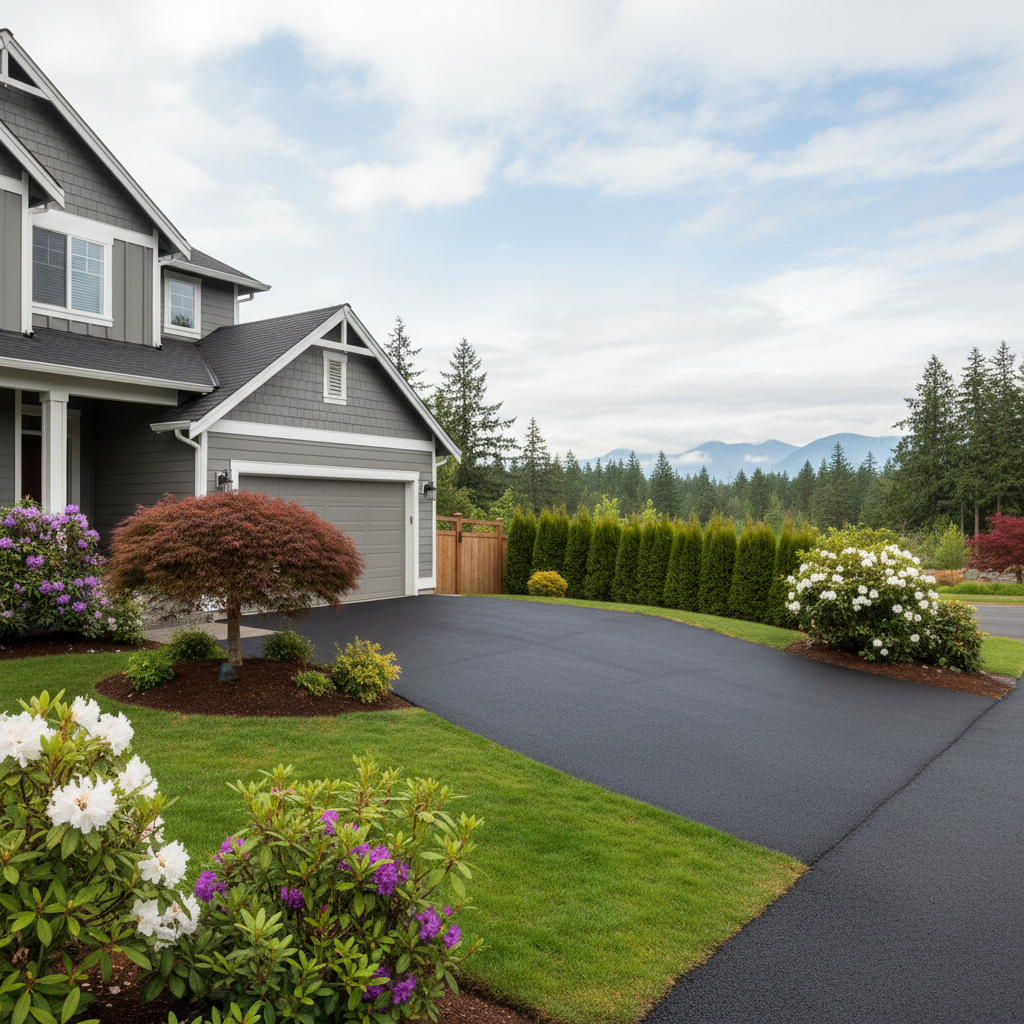
You've got a beautiful home here in Bellevue, and your driveway is a big part of that curb appeal. But let's be real, our Pacific Northwest weather isn't exactly kind to asphalt. Rain, freeze-thaw cycles, and even that occasional summer sun can do a number on your pavement over time. So, what's a homeowner to do? It's all about understanding the seasons and how they impact your asphalt.
Spring: Time to Assess and Plan
Once the relentless winter rains start to ease up a bit, usually around late March or April, that's your cue to take a good, hard look at your driveway. Winter is rough. You'll often see new cracks, potholes, or areas where the surface has started to degrade. Don't ignore these.
Spring is the ideal time for assessment. The ground is starting to dry out, and temperatures are becoming more consistent, but it's not scorching hot yet. This is when you should call a local asphalt pro – like us at Aim High Asphalt – to come out and give you an honest evaluation. We can spot issues that might not be obvious to the untrained eye. Getting ahead of small problems now can save you a lot of money and headaches down the road. Waiting until summer when everyone else is calling means you might be waiting longer for service.
Summer: The Sweet Spot for Major Work
If you're thinking about a major repair, a full overlay, or even a brand-new driveway, summer is absolutely the best time to do it. Why? Asphalt needs warm, dry conditions to cure properly. We're talking consistent temperatures above 50°F, ideally even warmer, and no rain in the forecast for at least a few days after the work is done.
Here in Bellevue, our summers are usually pretty reliable for this kind of weather. Those long, dry stretches from July through September are prime time. The asphalt mix stays pliable longer, allowing for better compaction and a smoother finish. It also gives sealcoats the best chance to bond and cure thoroughly. If you try to do this work when it's too cold or wet, the material won't set right, and you'll end up with a weaker, less durable surface that won't last as long. Believe me, I've seen plenty of driveways that failed prematurely because someone tried to cut corners on the weather.
Fall: Last Chance for Minor Repairs & Sealcoating Prep
As summer winds down and those crisp fall days start to roll in, you still have a window for certain types of asphalt work. If you've got some minor cracks that developed over the summer, or if your sealcoat is due, early fall can work. We're talking late September through October, before the really heavy rains and colder temps set in.
The key here is temperature and moisture. You need daytime highs consistently above 50°F for crack filling and sealcoating to adhere and cure properly. And, just like in summer, you need a few dry days post-application. If you wait too long, the material won't cure, and it'll just wash away or break down quickly once winter hits. Think of it as getting your driveway ready for battle against the coming wet season. A good sealcoat applied in the fall will help protect against water penetration and the freeze-thaw damage that's so common in areas like Somerset and Factoria, where driveways can be steep and exposed.
Winter: Protect Your Investment
Winter in Bellevue is all about protection and damage control. Once the temperatures drop consistently below freezing and the rain turns to sleet or snow, major asphalt work is pretty much off the table. The focus shifts to minimizing damage and preparing for spring.
- Clear Debris: Keep your driveway clear of leaves and other organic matter. When these break down, they can hold moisture against the asphalt, contributing to degradation.
- Drainage Matters: Make sure your drainage systems are clear. Standing water is asphalt's worst enemy, especially when it freezes and expands in cracks.
- Pothole Patrol: If a new pothole opens up, it's worth getting it patched quickly, even if it's a temporary cold patch. This prevents water from getting under the pavement and causing even bigger problems.
- Snow Removal: Be careful with snow plows or shovels. Avoid scraping directly on the asphalt surface, as this can cause gouges and accelerate wear.
Understanding these seasonal rhythms can make a huge difference in the lifespan and appearance of your asphalt driveway. It's not just about getting the job done; it's about getting it done right, at the right time, for our specific Bellevue climate. If you've got questions about your driveway's condition or need to schedule some work, don't hesitate to give us a call. We're here to help.