Thinking About a New Asphalt Driveway?
You're probably wondering where to even start if you're considering a new asphalt driveway, or maybe a major repair on an existing one. It's a big investment for your home, and you want it done right. As someone who's been paving driveways around Bellevue for years, I've seen it all, and I'm here to give you the straight scoop on what you need to know before, during, and after the project.
Before the Shovels Hit the Ground: Planning Your Project
This is where most homeowners can save themselves a lot of headaches and money down the line. Don't rush this part. First off, think about what you need. Is it a brand-new driveway from scratch? Are you widening an existing one? Or is it a full tear-out and replace job because your old concrete or asphalt is just completely shot?
You'll want to consider drainage. Bellevue gets its fair share of rain, and proper water management is critical. You don't want water pooling on your new driveway or, worse, running into your garage or foundation. We often deal with slopes and tight spaces around here, especially in neighborhoods like Medina or Clyde Hill, so planning for water runoff is non-negotiable. Think about where the water will go and if you need any French drains or catch basins.
Next, get some quotes. Don't just go with the first guy who answers the phone. Get at least three detailed estimates. Make sure they're comparing apples to apples. Ask about the depth of the asphalt, the base material they'll use, and what kind of excavation is included. A good contractor will explain their process clearly. They should also be licensed and insured – always check that. If they're not, walk away. It's not worth the risk.
What can you do yourself here? You can certainly do your research, measure your driveway, and even mark out where you want it to go. You can clear brush or small trees that might be in the way. But for the actual design, grading, and material specifications, you really need a pro. This isn't a DIY job for most homeowners.
During the Paving Process: What to Expect
Once you've picked your contractor and scheduled the work, what happens? The first step is usually excavation and grading. This means removing the old driveway material, dirt, or whatever's there, and shaping the ground to ensure proper drainage and a solid foundation. This is critical. If the base isn't right, your asphalt won't last, plain and simple.
Then comes the base layer. This is typically crushed rock or gravel, compacted tightly. The thickness of this base is super important for durability, especially with our wet climate and potential for freeze-thaw cycles. A good base prevents cracking and sinking down the road. After the base, the asphalt is laid. It comes out hot, usually around 300 degrees Fahrenheit, and is spread evenly and then compacted with heavy rollers. This is where the magic happens, turning loose aggregate into a smooth, durable surface.
During this phase, your role is mostly observational. Stay out of the way, keep pets and kids clear, and ask questions if you have them. A good crew will be efficient and professional. You might notice some smells – that's normal. You'll also see some serious machinery at work. We pride ourselves on clean sites at Aim High Asphalt, but it's still a construction zone for a bit.
Can you DIY any of this? Absolutely not. Unless you own heavy excavation equipment, a paver, and industrial rollers, and know how to operate them, this is 100% a professional job. Trying to do it yourself will likely result in a lumpy, short-lived driveway that costs more to fix than it would have to hire a pro in the first place.
After the Paving: Curing and Initial Care
Your new driveway isn't ready for heavy use immediately. It needs time to cure. We usually recommend staying off it for at least 24-48 hours, sometimes longer if it's a particularly hot day. Avoid turning your wheels sharply in place for the first few weeks, as this can scuff the new surface. Also, try not to park heavy vehicles in the same spot for extended periods during the initial curing phase.
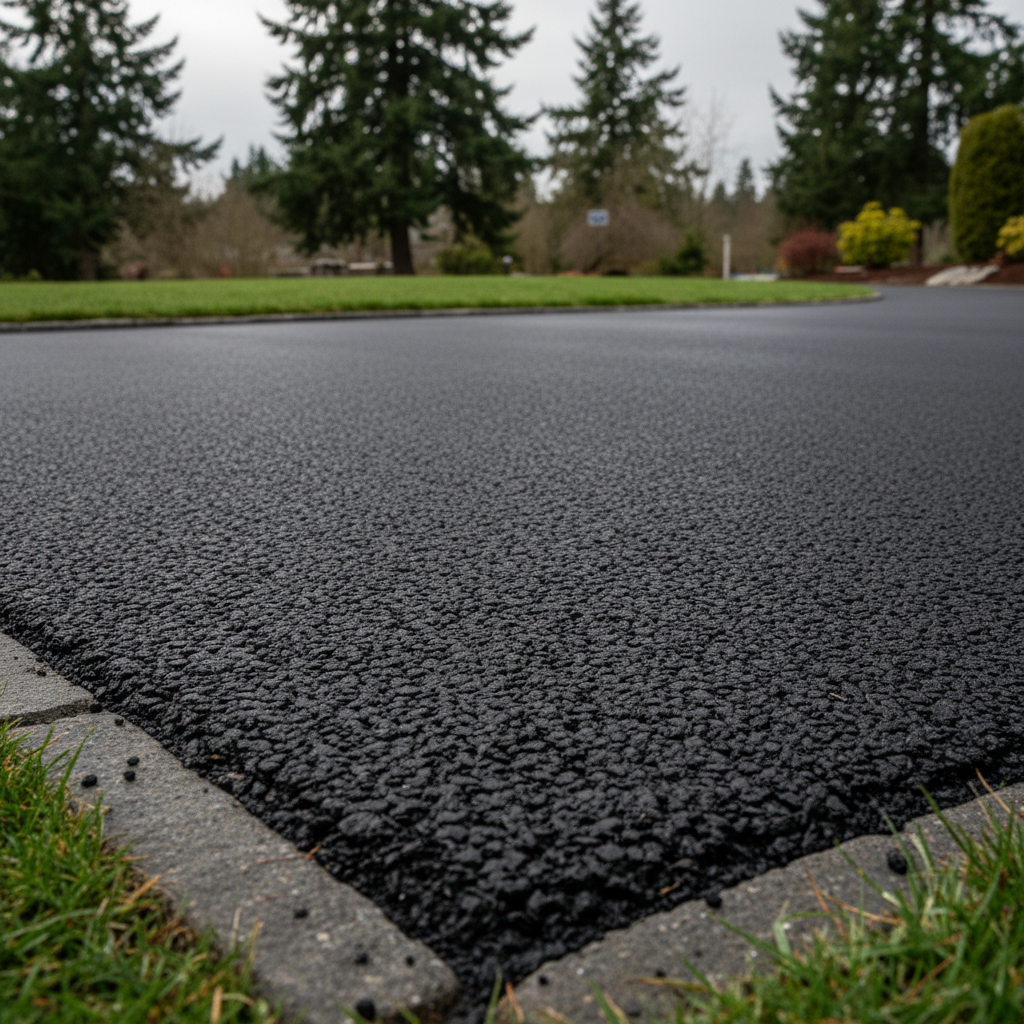
You might notice some minor imperfections, like small indentations from the rollers or slight variations in texture. This is usually normal. Asphalt continues to harden and compact over time. The color will also change; it'll be a deep black at first, then gradually lighten to a charcoal gray as it oxidizes.
For the first year, be gentle. Avoid spilling gasoline or oil, as these can soften the asphalt. If you do have a spill, clean it up quickly with soap and water. Don't use harsh chemicals. You can also shovel snow off it, but be careful with metal shovels or snowplows that can scrape the surface. A plastic shovel is always a safer bet.
What can you DIY here? Plenty! Keeping it clean, avoiding spills, and being mindful of how you use it are all things you can do. You can also keep an eye out for any issues that might pop up, like unexpected cracking or drainage problems, and call your contractor if you see anything concerning. Most reputable contractors, like us at Aim High Asphalt, stand by our work and will address legitimate issues.
A new asphalt driveway is a great addition to your Bellevue home. Do your homework, hire a good crew, and take care of it, and you'll have a smooth, durable surface for years to come.